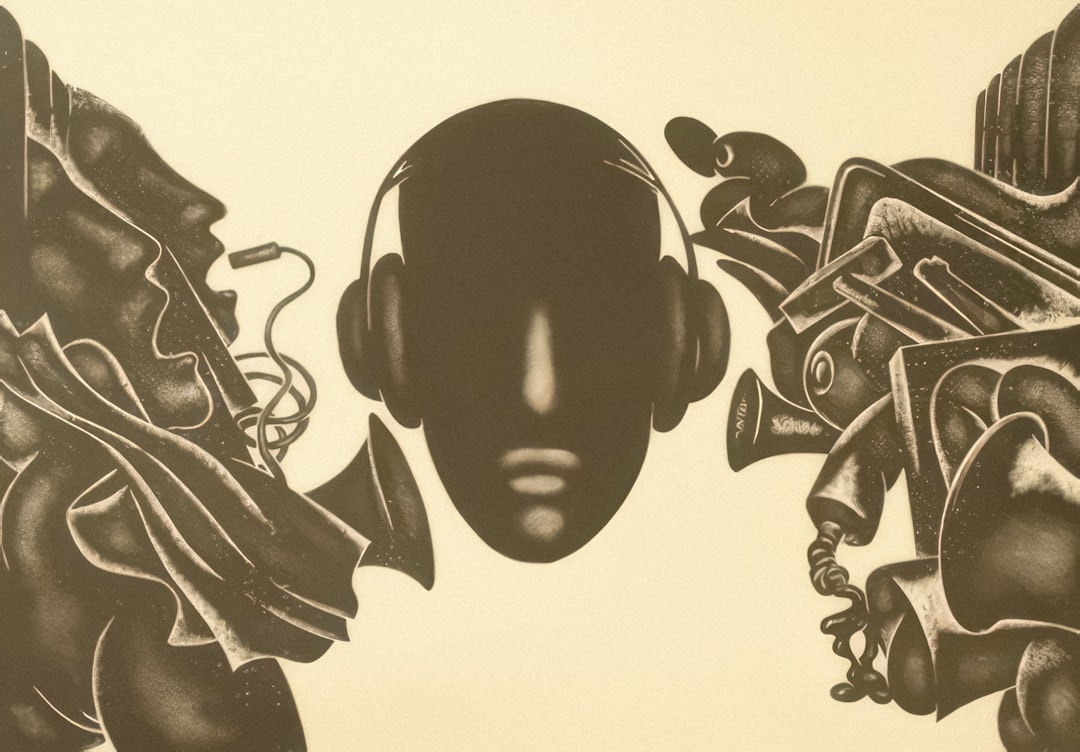
Afrofuturism, a cultural movement that intertwines elements of science fiction, history, and African mythology, has its roots deeply embedded in the African diaspora’s quest for identity and representation. Emerging in the late 20th century, it sought to reimagine the past and envision a future where Black individuals could thrive in a world that often marginalized their existence. The origins of Afrofuturism in digital art reveal how this movement has evolved alongside technological advancements, particularly in the realm of digital media.
The advent of computers and digital tools has provided artists with new avenues to express their visions, allowing them to create immersive worlds that challenge conventional narratives. In the early days of Afrofuturism, artists like Sun Ra and Octavia Butler laid the groundwork by blending speculative fiction with African cultural elements. Their works inspired a generation of creators who began to explore the possibilities of digital art as a medium for storytelling.
The rise of the internet and digital platforms has democratized art-making, enabling artists from diverse backgrounds to share their work with a global audience. This accessibility has fostered a vibrant community of Afrofuturist artists who utilize digital tools to craft narratives that reflect their experiences and aspirations, ultimately reshaping the landscape of contemporary art.
Key Takeaways
- Afrofuturism in digital art originated as a blend of African culture, science fiction, and technology to reimagine Black futures.
- Common themes include space exploration, ancestral heritage, and futuristic technology intertwined with African aesthetics.
- Afrofuturist digital art challenges traditional representation by centering Black identities and narratives.
- Advances in technology have expanded creative possibilities, enabling immersive and interactive Afrofuturist artworks.
- Afrofuturist digital art serves as a powerful tool for social commentary, addressing issues like racism, identity, and empowerment.
Key Themes and Motifs in Afrofuturist Digital Art
As you immerse yourself in Afrofuturist digital art, you will encounter a rich tapestry of themes and motifs that resonate throughout the movement. One prominent theme is the exploration of identity and self-discovery. Artists often use digital mediums to create avatars or alter egos that embody their cultural heritage while simultaneously projecting futuristic visions.
This duality allows for a deeper examination of what it means to be Black in a world that frequently imposes limitations on identity. Through vibrant colors, intricate designs, and imaginative landscapes, these artists invite you to reflect on your own sense of belonging and the complexities of cultural identity. Another significant motif in Afrofuturist digital art is the integration of technology with traditional African aesthetics.
You will find that many artists draw inspiration from ancestral practices, weaving them into futuristic narratives that highlight the interconnectedness of past and present. This fusion not only honors cultural heritage but also challenges the notion that technology is inherently Western. By reimagining African traditions through a digital lens, these artists assert that technology can be a tool for empowerment rather than oppression.
As you engage with their work, you may find yourself contemplating how technology can serve as a bridge between generations, connecting you to your roots while propelling you into an imagined future.
Afrofuturism and Representation in Digital Art
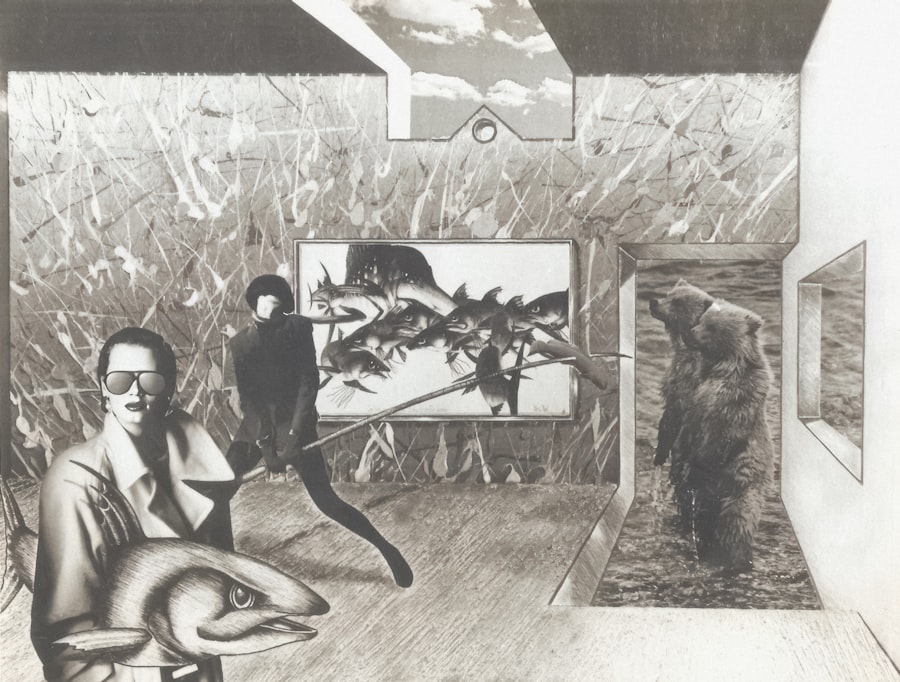
Representation is a cornerstone of Afrofuturism, and in the realm of digital art, it takes on new dimensions. As you explore this aspect, you will see how artists strive to create spaces where Black voices are not only heard but celebrated. The digital medium allows for a diverse range of representations that challenge stereotypes and offer nuanced portrayals of Black life.
By centering Black experiences in their work, these artists reclaim narratives that have historically been marginalized or misrepresented in mainstream media. Moreover, the use of digital platforms enables artists to reach audiences that traditional art forms may not have accessed. You may notice how social media has become a powerful tool for sharing Afrofuturist art, fostering community engagement and dialogue around representation.
This accessibility empowers artists to connect with viewers on a personal level, inviting them into their imaginative worlds while encouraging critical conversations about race, identity, and belonging. As you navigate this landscape, consider how these representations not only impact individual viewers but also contribute to a broader cultural shift towards inclusivity and diversity in the arts.
The Impact of Technology on Afrofuturist Digital Art
Technology plays a pivotal role in shaping Afrofuturist digital art, influencing both the creative process and the final product. As you examine this impact, you will find that advancements in software and hardware have expanded the possibilities for artistic expression. Digital tools allow artists to experiment with various techniques, from 3D modeling to animation, enabling them to bring their visions to life in ways that were previously unimaginable.
This technological evolution has democratized art-making, allowing anyone with access to a computer to create and share their work. Furthermore, technology facilitates collaboration among artists across geographical boundaries. You may discover how online platforms enable creators from different parts of the world to connect and collaborate on projects that reflect their shared experiences and aspirations.
This global exchange enriches the Afrofuturist narrative, as diverse perspectives come together to create multifaceted representations of Black identity. As you engage with these collaborative works, consider how technology not only enhances artistic expression but also fosters a sense of community among artists who are united by their commitment to reimagining the future.
Afrofuturism and Social Commentary in Digital Art
| Metric | Value | Description |
|---|---|---|
| Number of Afrofuturism Digital Artworks | 1,200+ | Estimated count of digital artworks tagged as Afrofuturism on major art platforms (2023) |
| Top Platforms | Behance, ArtStation, Instagram | Most popular platforms where Afrofuturism digital art is showcased |
| Average Engagement Rate | 7.5% | Average social media engagement rate for Afrofuturism digital art posts |
| Leading Themes | Space, Technology, African Mythology | Common thematic elements in Afrofuturism digital art |
| Notable Artists | Osinachi, D’Angelo Lovell Williams, Martine Syms | Prominent digital artists contributing to Afrofuturism |
| Annual Growth Rate | 15% | Year-over-year increase in digital artworks related to Afrofuturism |
| Virtual Exhibitions | 25+ | Number of virtual exhibitions featuring Afrofuturism digital art in 2023 |
Afrofuturist digital art serves as a powerful medium for social commentary, addressing pressing issues such as systemic racism, environmental justice, and cultural appropriation. As you explore this dimension of the movement, you will encounter works that challenge societal norms and provoke critical thought. Artists often use their platforms to confront injustices faced by Black communities, employing visual storytelling to highlight the intersectionality of race, class, and gender.
Through their art, they invite you to reflect on the complexities of contemporary society while envisioning alternative futures. In addition to addressing social issues, Afrofuturist digital art often critiques historical narratives that have marginalized Black voices. You may find that artists reinterpret historical events through a speculative lens, reimagining what could have been if different choices had been made or if systemic barriers had not existed.
This approach not only empowers viewers to question dominant narratives but also encourages them to envision a future where equity and justice prevail. As you engage with these thought-provoking works, consider how they challenge you to think critically about your own role in shaping societal change.
The Future of Afrofuturist Digital Art
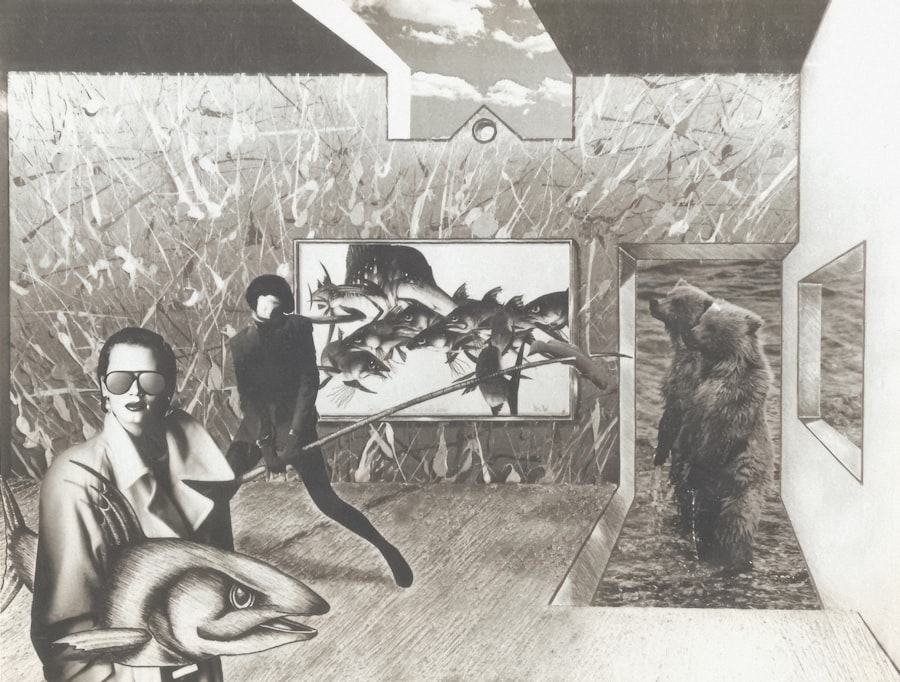
As you look towards the future of Afrofuturist digital art, it becomes evident that this movement is poised for continued growth and evolution. With advancements in technology such as virtual reality (VR) and augmented reality (AR), artists are presented with new opportunities to create immersive experiences that transport viewers into their imaginative worlds. You may find yourself captivated by VR installations that allow you to interact with Afrofuturist narratives in ways that transcend traditional viewing experiences.
Moreover, as conversations around representation and inclusivity continue to gain momentum within the art world, Afrofuturist digital art is likely to play an increasingly prominent role in shaping cultural discourse. You can anticipate a surge in collaborations between Afrofuturist artists and other creative disciplines, such as fashion, music, and film, further blurring the lines between different forms of expression. This interdisciplinary approach not only enriches the narrative but also amplifies the voices of those who have historically been marginalized.
In conclusion, as you navigate the dynamic landscape of Afrofuturist digital art, you will discover a movement that is not only rooted in history but also forward-looking in its vision for the future. Through innovative use of technology and a commitment to representation and social commentary, Afrofuturist artists are reshaping narratives and challenging societal norms. As you engage with their work, consider how it resonates with your own experiences and aspirations, inviting you to participate in a collective reimagining of what is possible for Black futures in an increasingly digital world.