

When creating an instrumental track, selecting an appropriate title is essential. The name functions as the initial point of contact with your audience, introducing them to your sonic creation. An effective title can generate interest, establish context, and indicate the emotional content or thematic elements of the composition.
In a digital marketplace saturated with musical options, a distinctive name can differentiate your work and encourage potential listeners to engage with it. A well-crafted title also communicates the fundamental character of your instrumental piece, offering insight into its intended narrative or atmosphere. It represents your artistic perspective and conveys your creative purpose without verbal explanation.
Many influential instrumental compositions throughout music history are recognized by titles that resonate with audiences and become directly associated with specific emotional responses. Dedicating consideration to naming your instrumental track not only increases its attractiveness to listeners but also establishes a meaningful connection with your audience.
Key Takeaways
- A creative instrumental track name enhances listener engagement and sets the tone.
- Drawing inspiration directly from the music helps capture its essence in the title.
- Wordplay and vivid imagery make track names more memorable and intriguing.
- Incorporating emotions and themes connects the title to the track’s mood and message.
- Considering the audience and context ensures the name resonates appropriately and effectively.
Drawing Inspiration from the Music
As you delve into the process of naming your instrumental track, it’s essential to draw inspiration directly from the music itself. Listen closely to the melodies, harmonies, and rhythms you’ve created. What feelings do they evoke? What imagery do they conjure? The answers to these questions can guide you toward a title that resonates with the essence of your composition. For instance, if your track features sweeping strings and gentle piano, you might find inspiration in nature or serene landscapes, leading you to names that evoke tranquility or beauty. Additionally, consider the story behind your music. Every piece has a narrative, whether intentional or not. Reflect on what inspired you to create this particular track. Was it a moment in time, a personal experience, or perhaps an abstract concept? By tapping into these sources of inspiration, you can craft a title that not only reflects the sound but also tells a story. This connection between the name and the music can create a more profound experience for listeners, inviting them to engage with your work on multiple levels.
Utilizing Wordplay and Imagery
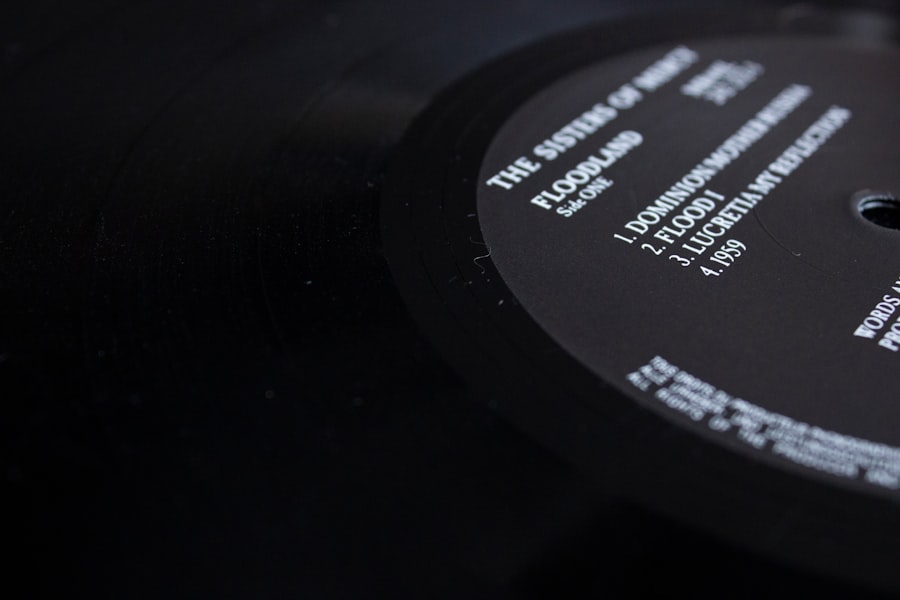
Wordplay can be a powerful tool when it comes to naming your instrumental track. Clever puns, alliteration, or unexpected combinations of words can add an element of intrigue and playfulness to your title. For example, if your track has an upbeat tempo and lively instrumentation, you might consider a title that incorporates playful language or rhymes.
This approach not only makes your title catchy but also invites listeners to explore the music with a sense of curiosity and excitement. Imagery is another vital aspect to consider when crafting your track’s name. Think about the visuals that your music evokes—do you envision vibrant colors, dynamic movements, or serene landscapes?
By incorporating vivid imagery into your title, you can create a mental picture that enhances the listening experience. For instance, if your composition has an ethereal quality, a title like “Whispers of Dawn” could evoke feelings of tranquility and new beginnings. By merging wordplay with imagery, you can create a title that is not only memorable but also rich in meaning.
Incorporating Emotions and Themes
Emotions play a significant role in music, and your track’s name should reflect the feelings you wish to convey. Consider the emotional journey you want your listeners to embark on as they experience your composition. Is it one of joy, nostalgia, melancholy, or perhaps introspection?
By identifying the core emotions associated with your music, you can craft a title that resonates deeply with those feelings. For example, if your track evokes a sense of longing or nostalgia, a title like “Echoes of Yesterday” could encapsulate that sentiment beautifully. Themes are equally important when naming your instrumental track.
Whether it’s love, nature, adventure, or self-discovery, identifying the central theme can guide you toward an appropriate title. A well-chosen name can serve as a thematic anchor for your composition, providing listeners with context and enhancing their understanding of the music. If your piece explores themes of resilience and strength, consider titles that reflect those qualities—perhaps “Unyielding Spirit” or “Through the Storm.” By aligning your title with both emotions and themes, you create a cohesive experience that resonates with your audience.
Considering the Audience and Context
| Creative Naming Strategy | Description | Example | Effectiveness |
|---|---|---|---|
| Use Emotions or Moods | Name tracks based on the feeling or atmosphere they evoke. | “Melancholy Sunrise” | High – Connects listeners emotionally |
| Incorporate Imagery | Use vivid or abstract images to inspire curiosity. | “Neon Forest” | Medium – Creates visual interest |
| Reference Places or Events | Use locations or memorable events as inspiration. | “Midnight in Tokyo” | Medium – Adds context and story |
| Use Wordplay or Puns | Incorporate clever language or double meanings. | “Bassically Yours” | Low to Medium – Engages listeners with humor |
| Abstract or Minimalist Titles | Choose simple or cryptic names to intrigue listeners. | “Echoes” | Medium – Leaves interpretation open |
| Combine Genres or Styles | Reflect the fusion of musical styles in the title. | “Jazztronica Groove” | Medium – Highlights uniqueness |
| Use Personal or Mythological References | Draw from personal stories or myths for depth. | “Orpheus’ Journey” | High – Adds narrative and depth |
As you navigate the process of naming your instrumental track, it’s essential to consider your audience and the context in which they will encounter your music. Who are you creating for? What do they value in music?
Understanding your target audience can help you tailor your title to resonate with their preferences and expectations. For instance, if you’re composing for a cinematic project, a title that evokes drama or tension may be more fitting than one that is whimsical or lighthearted. Context also plays a significant role in how your title will be perceived.
Think about where and how listeners will engage with your music—will it be featured in a film, played at an event, or shared on streaming platforms? Each context may call for different naming conventions or styles. A title meant for a film score might need to convey grandeur or emotion succinctly, while one intended for casual listening could afford more creativity and playfulness.
By considering both audience and context, you can craft a title that resonates effectively within its intended environment.
Experimenting with Different Naming Techniques

Finally, don’t shy away from experimenting with different naming techniques as you seek the perfect title for your instrumental track. The creative process is often nonlinear; allow yourself the freedom to explore various approaches without judgment. Start by brainstorming keywords related to your music—these could be emotions, themes, or even abstract concepts that come to mind as you listen to your composition.
From there, play around with combinations of words or phrases until something resonates. You might also consider using metaphors or analogies to create depth in your title. For instance, if your track has an uplifting quality reminiscent of soaring heights, you could draw inspiration from aviation or celestial imagery—titles like “Soaring Above” or “Celestial Horizons” could evoke that sense of elevation beautifully.
Additionally, don’t hesitate to seek feedback from fellow musicians or trusted listeners; their perspectives may spark new ideas or reveal insights you hadn’t considered. In conclusion, naming an instrumental track is an art form in itself—a blend of creativity, emotion, and intention. By recognizing the importance of a creative title and drawing inspiration from various sources such as the music itself and its underlying themes, you can craft names that resonate deeply with listeners.
Utilizing wordplay and imagery adds layers of intrigue while considering audience context ensures relevance. Finally, embracing experimentation allows for innovation in naming techniques. As you embark on this journey of naming your work, remember that each title has the potential to enhance the listener’s experience and create lasting connections through music.