The Intersection of Music and Visual Elements
Music extends beyond auditory elements like melodies, lyrics, and rhythms to incorporate important visual components. Album artwork, music videos, and stage performances significantly influence how audiences perceive and connect with musical works. These visual elements create a sensory bridge that enhances comprehension and emotional engagement with the music, often producing lasting impressions that extend beyond the listening experience.
Music videos particularly demonstrate the transformative power of visuals on musical interpretation. The imagery accompanying a song can intensify the emotional content expressed through lyrics and composition, enabling deeper audience connection. For example, vibrant animations may reinforce joyful musical themes, while darker visual aesthetics can emphasize melancholic or contemplative elements.
This audio-visual integration represents a fundamental aspect of musical storytelling rather than merely supplementary content. The combination creates a comprehensive artistic experience where visual and auditory elements mutually reinforce the creator’s intended expression.
Key Takeaways
- Visuals significantly enhance the emotional and narrative impact of music.
- Animated music visuals combine creativity and technology to create unique artistic expressions.
- Animation allows artists to convey personal and cultural identities in innovative ways.
- Cultural representation in animated visuals promotes diversity and inclusivity in music media.
- The evolution of animated music visuals has transformed audience engagement and artistic influence.
The Art of Animated Music Visuals
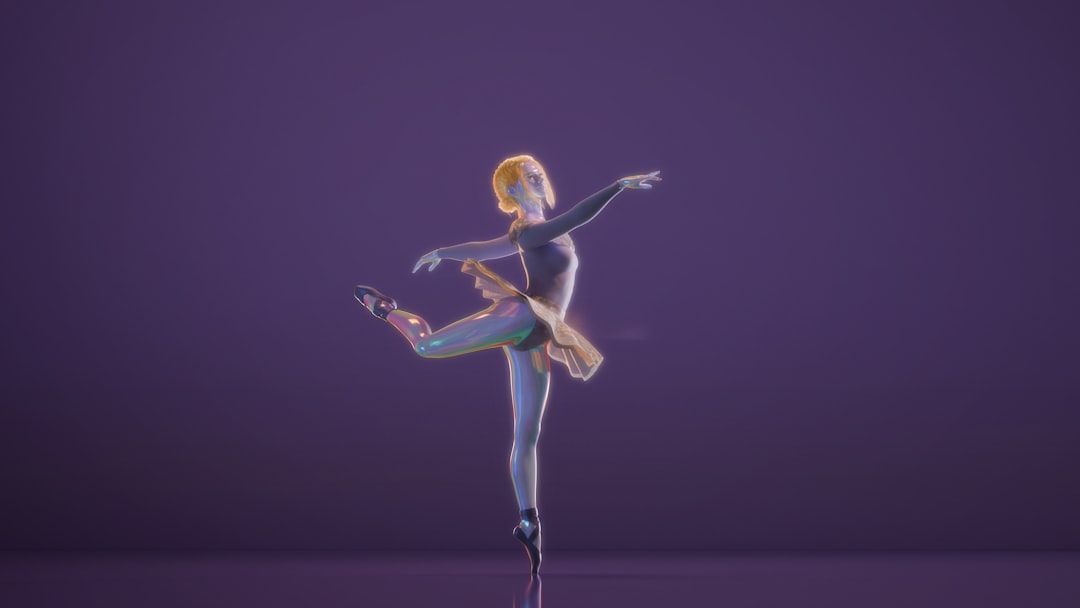
Animated music visuals represent a unique intersection of creativity and technology. They allow artists to express their ideas in ways that live-action videos may not be able to achieve. With animation, the possibilities are virtually limitless; you can create fantastical worlds, surreal characters, and dynamic movements that reflect the essence of the music.
This art form invites you to explore new dimensions of storytelling, where imagination reigns supreme and the only boundaries are those of creativity itself. As you delve into animated music visuals, you may find that they often carry a distinct style that aligns with the artist’s vision. From minimalist designs to intricate illustrations, each animation tells a story that complements the song’s themes.
The use of color, movement, and character design can all contribute to the overall mood and message of the piece. For example, a whimsical animation might accompany an upbeat pop song, while a more abstract visual could enhance a haunting ballad. This synergy between animation and music not only captivates your attention but also invites you to interpret the narrative in your own way.
Reflecting Identity through Animation

Animation has become a powerful medium for artists to reflect their identities and personal experiences. As you watch animated music visuals, you may notice how they often incorporate elements that resonate with the artist’s cultural background, personal struggles, or unique perspectives. This authenticity allows you to connect with the artist on a more intimate level, as their stories unfold through vibrant imagery and compelling narratives.
For many artists, animated visuals serve as a canvas for self-expression. They can explore themes such as love, loss, identity, and resilience in ways that feel genuine and relatable. As you engage with these animations, you might find yourself reflecting on your own experiences and emotions.
The ability to see oneself represented in art is powerful; it fosters a sense of belonging and understanding that transcends language and cultural barriers. In this way, animated music visuals become not just a reflection of the artist’s identity but also a mirror for your own.
Exploring Cultural Representation in Animated Music Visuals
Cultural representation in animated music visuals is an essential aspect of how artists communicate their heritage and experiences. As you immerse yourself in these animations, you may encounter diverse cultural motifs, symbols, and narratives that enrich your understanding of different traditions and histories. This representation is vital in fostering inclusivity within the music industry and ensuring that various voices are heard and celebrated.
When artists draw upon their cultural backgrounds in their animated visuals, they create opportunities for dialogue and connection among audiences from different walks of life. You might find that these animations challenge stereotypes or offer new perspectives on familiar themes. For instance, an artist might incorporate traditional art styles or folklore into their animation, inviting you to explore the richness of their culture while simultaneously engaging with contemporary issues.
This blending of old and new not only honors cultural heritage but also encourages you to appreciate the diversity that exists within the global music landscape.
The Evolution of Animated Music Visuals
| Metric | Description | Example | Impact on Identity Reflection |
|---|---|---|---|
| Color Palette Usage | Choice of colors that represent cultural or personal identity | Warm tones for cultural warmth, neon for futuristic identity | Enhances emotional connection and cultural symbolism |
| Animation Style | Type of animation (2D, 3D, stop-motion) used to convey identity | Hand-drawn for personal touch, digital for modern identity | Communicates authenticity and artistic expression |
| Symbolism and Motifs | Use of culturally significant symbols or personal motifs | Tribal patterns, urban graffiti elements | Strengthens cultural roots and personal storytelling |
| Synchronization with Music | How visuals align with rhythm, lyrics, and mood | Visual beats matching drum hits, lyric-inspired imagery | Creates immersive identity experience through audio-visual harmony |
| Audience Engagement | Viewer interaction and emotional response metrics | Comments on identity relatability, shares on social media | Measures effectiveness in conveying identity |
| Duration of Visual Elements | Length of time specific identity-related visuals are displayed | Extended scenes of cultural dance or personal symbols | Allows deeper audience connection with identity themes |
The evolution of animated music visuals has been remarkable over the years. From simple hand-drawn animations to sophisticated digital creations, this art form has continually adapted to technological advancements and changing artistic trends. As you look back at the history of animated music visuals, you may notice how they have transformed alongside the music industry itself—reflecting shifts in style, genre, and audience expectations.
In earlier decades, animated music visuals were often limited by technology; however, as digital tools became more accessible, artists began to experiment with new techniques and styles. You might recall iconic animated music videos from the 1980s and 1990s that pushed boundaries with their creativity. Today, advancements in 3D animation, virtual reality, and interactive media have opened up even more possibilities for artists to explore.
This evolution not only showcases the ingenuity of creators but also highlights how animated visuals have become an essential component of modern music marketing and storytelling.
Impact and Influence of Animated Music Visuals on Audiences
The impact of animated music visuals on audiences is profound and multifaceted. As you engage with these animations, they can evoke strong emotional responses that enhance your overall experience of the music. The combination of sound and imagery creates a sensory experience that resonates deeply within you—often leaving lasting impressions that shape your perceptions of both the song and the artist.
Moreover, animated music visuals have the power to influence trends within the industry. As you observe popular animations gaining traction on social media platforms or streaming services, you may notice how they inspire other artists to adopt similar styles or themes in their work. This ripple effect can lead to a broader appreciation for animation as an art form within the music community.
Ultimately, animated music visuals serve not only as a means of artistic expression but also as a catalyst for cultural exchange and innovation—inviting you to explore new ideas while celebrating the rich tapestry of human experience through sound and sight. In conclusion, animated music visuals are more than just eye-catching accompaniments to songs; they are powerful tools for storytelling that reflect identity, culture, and artistic evolution. As you continue to explore this dynamic medium, consider how it shapes your understanding of music and connects you with artists from diverse backgrounds.
The interplay between sound and sight invites you into a world where creativity knows no bounds—encouraging you to engage with art in ways that are both personal and universal.