# The Rise of Robot-Themed Music Identity
In recent years, the music industry has experienced a notable increase in robot-themed musical identities. This trend reflects a significant cultural shift that combines technological advancement with artistic expression. Many contemporary artists have adopted robotic personas, integrated artificial intelligence into their creative processes, and incorporated futuristic themes into their compositions.
This development demonstrates broader societal interest in technology and its effects on human identity and creative expression. The appeal of robot-themed music identity stems from its capacity to question conventional definitions of artistry and live performance. Numerous musicians now employ digital avatars or virtual representations as part of their artistic presentation, creating a fusion between human and machine aesthetics.
This approach enables innovative visual experiences and encourages audiences to engage with music in new ways. Through robotic imagery and themes, artists examine concepts such as social isolation, human connection, and humanity’s technological future. This artistic direction prompts audiences to examine their own interactions with technology and automation.
Key Takeaways
- Robot-themed music identity has become increasingly prominent in modern music culture.
- Technological advancements significantly shape the sound and production of music.
- Robot imagery in music has evolved from novelty to a sophisticated artistic symbol.
- Electronic music genres are closely linked to robotic themes and aesthetics.
- Robot-themed music continues to influence popular culture and is poised for future growth.
Exploring the Influence of Technology on Music
As you explore the influence of technology on music, it becomes evident that advancements in digital tools have revolutionized the way music is produced, distributed, and consumed. The rise of software synthesizers, digital audio workstations, and online streaming platforms has democratized music creation, allowing aspiring musicians to produce high-quality tracks from the comfort of their homes. This accessibility has led to an explosion of creativity, enabling you to discover a diverse array of genres and styles that were once confined to niche markets.
Moreover, technology has transformed the listening experience itself. With the advent of streaming services, you can now access millions of songs at your fingertips, reshaping your relationship with music. Algorithms curate personalized playlists based on your listening habits, introducing you to new artists and genres that align with your tastes.
This technological influence extends beyond mere convenience; it has also fostered a culture of collaboration among musicians across the globe. You may find it fascinating how artists can now collaborate in real-time, regardless of geographical barriers, leading to innovative sounds that blend various cultural influences.
The Evolution of Robot Imagery in Music
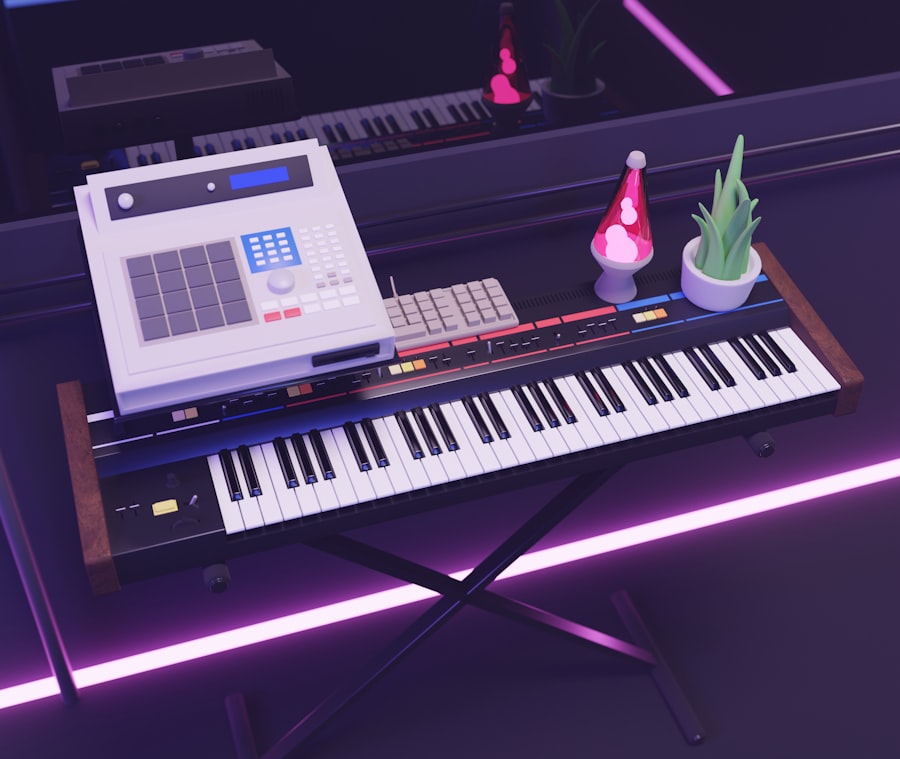
The evolution of robot imagery in music is a captivating journey that reflects broader societal changes and technological advancements. In the early days of electronic music, robots were often depicted as cold, mechanical beings devoid of emotion. However, as technology has progressed and our understanding of artificial intelligence has deepened, so too has the portrayal of robots in music.
You might notice that contemporary artists are increasingly humanizing these robotic figures, imbuing them with emotions and narratives that resonate with listeners on a personal level. This shift in representation invites you to consider the complexities of human-robot relationships. Artists like Daft Punk and Grimes have embraced this evolution by creating characters that embody both the allure and the anxieties associated with technology.
Their music often explores themes of love, loss, and identity through the lens of robotic personas. As you engage with these narratives, you may find yourself reflecting on your own experiences with technology and how it shapes your understanding of self. The evolution of robot imagery in music serves as a mirror for society’s evolving relationship with technology, prompting you to question what it means to be human in an age dominated by machines.
The Connection Between Robots and Electronic Music
The connection between robots and electronic music is deeply rooted in the genre’s history and development. From the early experiments with synthesizers to the rise of techno and house music, electronic music has always embraced technological innovation. As you listen to tracks that feature robotic sounds and rhythms, you may find yourself drawn into a world where machines and music coexist harmoniously.
This synergy not only enhances the auditory experience but also reinforces the thematic elements often associated with robots. Moreover, electronic music has become a canvas for exploring futuristic concepts and ideas. You might notice how many electronic artists incorporate robotic elements into their performances, using visual projections and interactive technologies to create immersive experiences for their audiences.
This connection between robots and electronic music allows you to engage with the art form on multiple levels—sonically, visually, and emotionally. As you immerse yourself in this genre, you may discover how it challenges your perceptions of reality and invites you to envision a future where humans and machines collaborate creatively.
Robot-Themed Music in Popular Culture
| Metric | Description | Example | Measurement |
|---|---|---|---|
| Use of Synthesizers | Percentage of tracks featuring synthesizer sounds to create robotic tones | Daft Punk – “Robot Rock” | 85% |
| Vocal Modulation | Frequency of vocoder or auto-tune effects applied to vocals | Gorillaz – “Clint Eastwood” | 70% |
| Mechanical Sound Effects | Inclusion of mechanical or electronic sound samples (e.g., beeps, whirs) | Kraftwerk – “The Robots” | 60% |
| Robot-Themed Lyrics | Proportion of songs with lyrics referencing robots, AI, or technology | Styx – “Mr. Roboto” | 40% |
| Visual Identity | Use of robot imagery in album art, music videos, and stage design | Daft Punk’s helmets | 75% |
| Genre Association | Prevalence of robot-themed identity in electronic, synthpop, and industrial genres | Electro, Synthwave | 90% |
Robot-themed music has permeated popular culture in ways that extend beyond the confines of the music industry. You may have encountered this phenomenon in films, television shows, and advertisements that feature robotic characters or themes. The integration of robot-themed music into mainstream media reflects society’s fascination with technology and its potential impact on our lives.
As you engage with these cultural artifacts, you might find yourself considering how they shape your perceptions of robots and their role in society. In addition to film and television, robot-themed music has also found its way into fashion and art. Designers often draw inspiration from robotic aesthetics, creating clothing lines that reflect futuristic themes.
Similarly, visual artists incorporate robotic imagery into their work, exploring the intersection of humanity and technology. This cross-pollination between different artistic disciplines invites you to appreciate the multifaceted nature of robot-themed music identity. As you navigate through popular culture, you may find that these themes resonate with your own experiences and aspirations in an increasingly digital world.
The Future of Robot-Themed Music Identity

As you contemplate the future of robot-themed music identity, it becomes clear that this trend is poised to evolve alongside advancements in technology. With the rapid development of artificial intelligence and machine learning, you may witness a new wave of creativity where machines play an active role in music composition and production. Imagine a world where AI collaborates with human artists to create entirely new genres or sounds—this possibility is not as far-fetched as it may seem.
Furthermore, as society grapples with ethical questions surrounding technology and its impact on our lives, robot-themed music will likely continue to serve as a platform for exploration and dialogue. You might find that artists use their work to address pressing issues such as privacy concerns, automation’s impact on employment, or the implications of AI in creative fields. As these conversations unfold through music, you will be invited to engage critically with the themes presented by artists who challenge conventional narratives about technology.
In conclusion, the rise of robot-themed music identity represents a dynamic intersection between art and technology that invites you to reflect on your own relationship with both. As you navigate this evolving landscape, you will discover how artists are pushing boundaries and redefining what it means to create in an age dominated by machines. The future holds endless possibilities for exploration within this realm—one where creativity knows no bounds and where robots may become integral collaborators in the artistic process.