
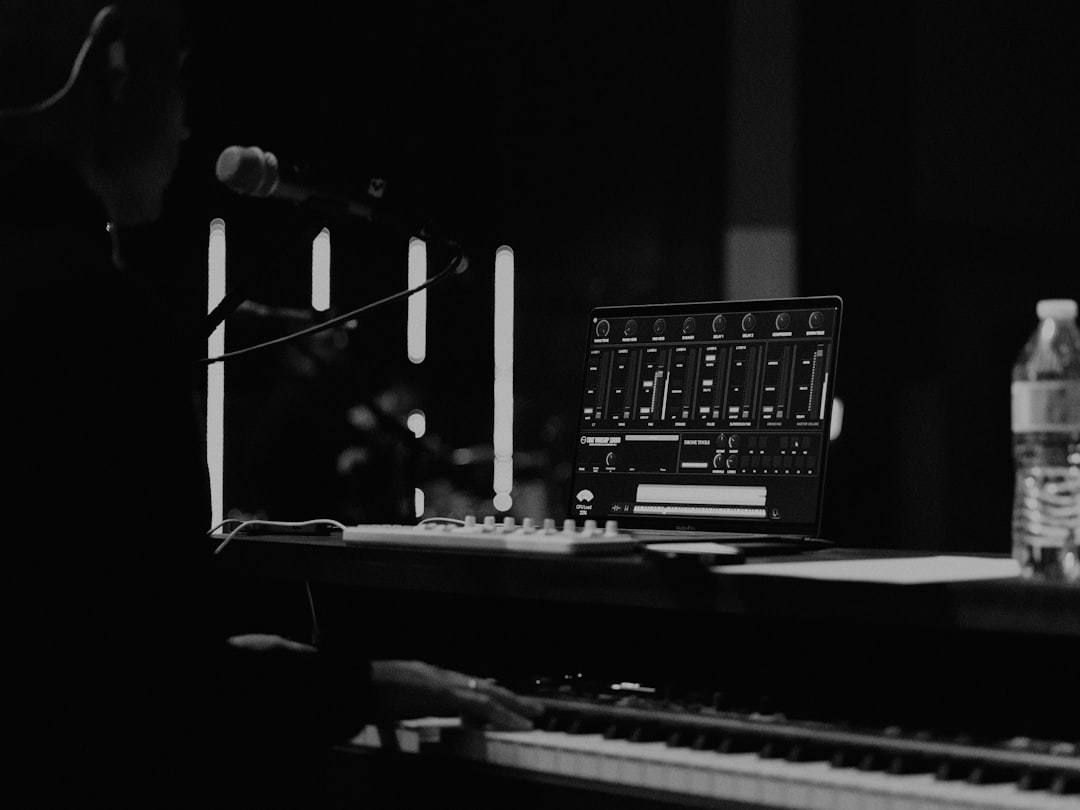
When you think about your favorite films or television shows, it’s likely that the soundtracks and sound effects play a significant role in your memories. Sound has an extraordinary ability to evoke emotions, set the tone, and create an atmosphere that enhances the visual experience. You may not always consciously recognize it, but the sound design in visual media is a powerful tool that shapes your perception and engagement with the story being told. From the subtle rustle of leaves in a serene forest scene to the thunderous roar of an explosion, sound can amplify the impact of visuals, making them more memorable and immersive.
In many ways, sound acts as a bridge between the viewer and the narrative. It can guide your emotional responses, drawing you into the world on screen and allowing you to connect with characters and situations on a deeper level. You might find yourself feeling a rush of excitement during an action sequence, or perhaps a sense of dread during a suspenseful moment, all thanks to the carefully crafted soundscape that accompanies the visuals. The power of sound in visual media is not just about what you hear; it’s about how those auditory elements interact with what you see, creating a holistic experience that resonates with you long after the credits roll.
Key Takeaways
- Sound significantly enhances the emotional and narrative impact of visual media.
- The interplay between sound and visuals creates a more engaging and cohesive storytelling experience.
- Effective sound design deepens audience immersion and connection with visual content.
- Combining sound and visuals can transform ordinary scenes into memorable, immersive experiences.
- Advances in technology are driving innovative integration of sound and visuals for future media.
Exploring the Relationship Between Sound and Visuals
The relationship between sound and visuals is intricate and multifaceted. When you watch a film or a video, your brain processes both auditory and visual information simultaneously, creating a cohesive narrative experience. This interplay is essential for storytelling; sound can provide context, enhance character development, and even foreshadow events. For instance, a character’s footsteps echoing in an empty hallway can signal impending danger, while a soft melody might suggest a moment of tenderness or nostalgia. You may not realize it, but these auditory cues are crucial in shaping your understanding of the story.
Moreover, sound can also serve to complement or contrast with visuals, adding layers of meaning to what you see. A serene landscape accompanied by discordant sounds can create a sense of unease, prompting you to question what lies beneath the surface. Conversely, upbeat music paired with vibrant visuals can evoke feelings of joy and celebration. This dynamic relationship allows creators to manipulate your emotions and perceptions, guiding you through the narrative in ways that visuals alone cannot achieve. As you engage with visual media, consider how sound influences your interpretation of the story and enhances your overall experience.
The Impact of Sound on Visual Storytelling
Sound plays a pivotal role in visual storytelling by enriching the narrative and deepening your emotional connection to the characters and events unfolding on screen. You might notice that certain sounds become synonymous with specific moments or themes within a story. For example, the haunting notes of a piano might accompany a character’s moment of reflection, while an intense orchestral score could heighten the stakes during a climactic battle scene. These auditory elements not only enhance your understanding of the plot but also evoke visceral reactions that draw you further into the narrative.
Additionally, sound can serve as a powerful tool for character development. The way a character speaks, their tone, and even the sounds associated with them can reveal their personality and motivations. You may find that a character’s laughter brings warmth to a scene, while their silence can convey tension or uncertainty. By carefully crafting these auditory elements, creators can provide you with insights into characters’ inner lives, making them more relatable and compelling. As you immerse yourself in visual storytelling, pay attention to how sound shapes your perception of characters and their journeys.
Creating Immersive Experiences Through Sound and Visuals
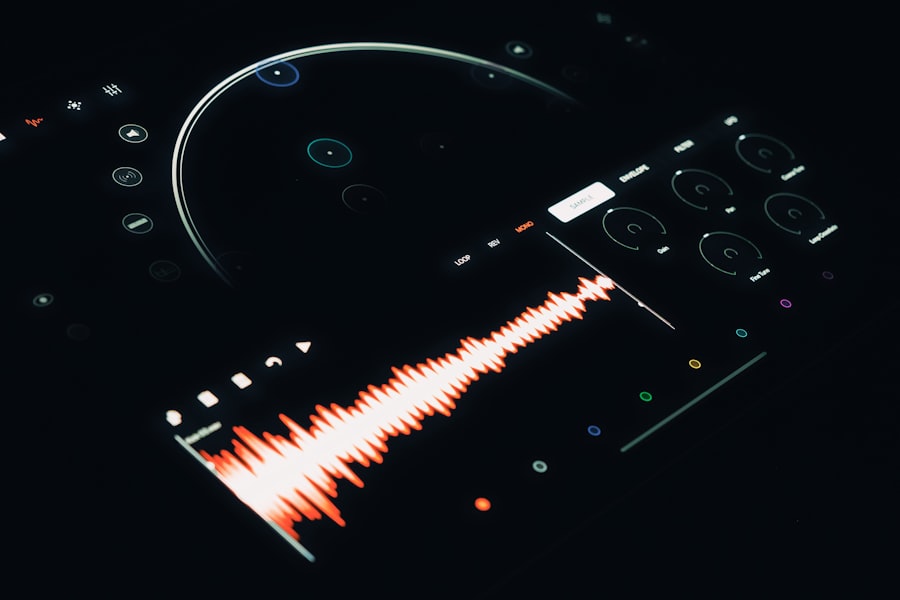
In today’s digital age, creators are increasingly focused on crafting immersive experiences that captivate audiences. You may have noticed how advancements in technology have allowed for more sophisticated sound design that enhances visual media. Surround sound systems, spatial audio, and high-definition visuals work together to create an environment where you feel as though you are part of the story. This level of immersion can transport you to different worlds, making you feel as if you are experiencing events alongside the characters.
The combination of sound and visuals can also evoke memories and sensations that resonate with your own experiences. For instance, the sound of rain falling might remind you of a cozy evening spent indoors, while the chirping of birds could evoke feelings of freedom and adventure. By tapping into these sensory associations, creators can forge deeper connections with their audience, allowing you to engage with the narrative on a personal level. As you explore various forms of visual media, consider how sound contributes to your sense of immersion and emotional engagement.
The Role of Sound Design in Enhancing Visual Content
| Metric | Value | Description |
|---|---|---|
| Event Name | Sound Meets Visual: Beep Boop Bops | Title of the multimedia event combining sound and visuals |
| Date | March 15, 2024 | Date of the event or release |
| Duration | 90 minutes | Total length of the audiovisual experience |
| Number of Tracks | 12 | Count of individual sound pieces or songs featured |
| Visual Styles | Pixel Art, Neon, Abstract | Types of visual aesthetics used in the presentation |
| Audience Reach | 5,000+ | Estimated number of viewers or participants |
| Interactive Elements | Yes | Whether the event includes interactive components |
| Sound Technology | Synthesizers, Drum Machines | Types of sound equipment or technology used |
| Visual Technology | LED Screens, Projection Mapping | Types of visual display technology used |
| Location | Virtual / Online | Where the event is hosted or accessible |
Sound design is an essential aspect of visual content creation that often goes unnoticed but is crucial for delivering a polished final product. You may not realize how much thought goes into selecting the right sounds for each scene or how sound designers meticulously craft audio elements to align with the visuals. From dialogue clarity to ambient sounds that create atmosphere, every auditory detail is carefully considered to enhance your viewing experience.
Moreover, sound design can also help establish continuity within a narrative. You might notice recurring motifs or themes in the soundtrack that tie different scenes together, creating a sense of cohesion throughout the story. This deliberate use of sound not only reinforces key moments but also helps you remember important plot points and character arcs. As you watch films or videos, take note of how sound design elevates the overall quality of visual content and contributes to your enjoyment.
The Future of Sound and Visual Integration: Beep Boop Bops
As technology continues to evolve, so too does the integration of sound and visuals in creative media. You may have already experienced innovations such as virtual reality (VR) and augmented reality (AR), which offer new ways to engage with stories through immersive environments where sound plays an integral role. In these spaces, audio cues can guide your movements and interactions, creating a dynamic experience that blurs the lines between reality and fiction.
Looking ahead, it’s exciting to consider how advancements in artificial intelligence (AI) will further enhance sound design in visual media. Imagine AI-generated soundscapes that adapt in real-time based on your reactions or preferences, creating personalized experiences tailored just for you. As creators continue to experiment with these technologies, the possibilities for sound and visual integration are limitless. You may find yourself captivated by new forms of storytelling that challenge traditional boundaries and invite you to explore narratives in innovative ways.
In conclusion, the power of sound in visual media cannot be overstated. It shapes your emotional responses, enhances storytelling, and creates immersive experiences that resonate long after you’ve finished watching. As you engage with various forms of visual content, take a moment to appreciate the intricate relationship between sound and visuals—it’s a partnership that enriches your experience and deepens your connection to the stories being told. The future holds exciting possibilities for this integration, promising even more captivating experiences that will continue to inspire and entertain you for years to come.